USDA REAP Grants 2026: Renewable Energy Funding for Farms and Rural Businesses
The Rural Energy for America Program (REAP) is the U.S. Department of Agriculture's flagship clean-energy funding line for the countryside, and it is one of the few federal grants where a farmer or a rural Main Street business can have half of a solar array or a high-efficiency grain dryer paid for with money that never has to be repaid. Run by USDA (USDA) Rural Development (RD), REAP funds two project types with two different caps, applies a cost-share percentage that has shifted between 25 and 50 percent depending on the funding source, and ran its FY2025 to 2027 round under a multi-year notice of funding opportunity, which USDA rescinded in April 2026, rather than a single annual deadline. This guide names the caps, settles the cost-share question, walks the eligibility map, and surfaces the failure modes that sink applications. To check whether your address is eligible, use USDA's Rural Development eligibility map.
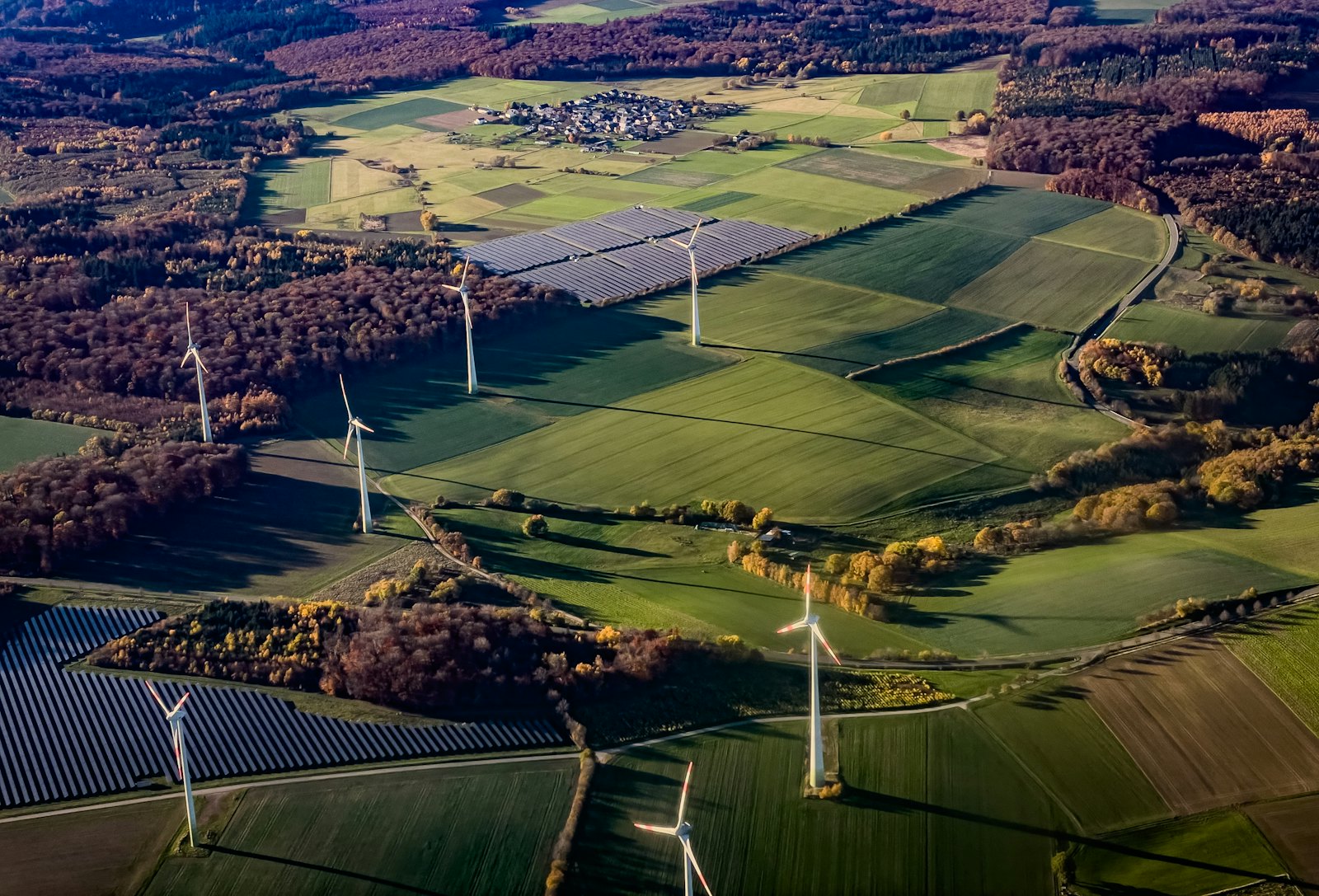
- Who this is for: Agricultural producers (50 percent or more of income from agriculture) and small businesses in eligible rural areas.
- What is eligible: Renewable energy systems (solar, wind, geothermal, biomass, digesters) up to a $1M grant, and energy efficiency improvements up to a $500K grant.
- How to apply: Confirm rural eligibility, contact your USDA Rural Development state energy coordinator, get an energy assessment, register in SAM.gov, and be ready to submit when grant applications reopen.
Table of contents
- What is the USDA REAP program?
- How much is a REAP grant in 2026?
- What percentage does REAP cover?
- REAP cost-share estimator
- Who is eligible for REAP?
- How do you apply for a REAP grant?
- Who should apply, and who should wait?
- Why do REAP applications get rejected?
- Frequently asked questions
- Bottom line
What is the USDA REAP program?
The Rural Energy for America Program is a USDA Rural Development grant-and-loan program that helps agricultural producers and rural small businesses pay for renewable energy systems and energy efficiency improvements. The program exists because rural energy projects are often too small for utility-scale financing and too capital-intensive for a farm or a small business to fund alone, and REAP fills that gap with a partial grant plus an optional guaranteed loan for the rest. The defining feature is that REAP splits into two project tracks with separate caps, and choosing the right track is the first decision an applicant makes.
The renewable energy systems (RES) and energy efficiency improvement (EEI) grants are the core of the program. The Inflation Reduction Act (IRA) injected substantial additional funding into REAP, which is what allowed the higher cost-share percentages in recent cycles, while the base program runs on Farm Bill authority. Larger projects can layer a REAP guaranteed loan (GL) on top of the grant. That dual funding structure is the source of most of the confusion around how much REAP actually pays.
How much is a REAP grant in 2026?
A REAP grant in 2026 is bounded by two caps tied to project type: renewable energy systems are generally capped at $1,000,000 per projectverified 2026-05-29, and energy efficiency improvements are capped at $500,000verified 2026-05-29. There is also a minimum grant size and a separate guaranteed-loan track for larger projects. The cap is only half the story, though: REAP pays a percentage of eligible project costs, not the full project, so the practical maximum is the lower of the cap and the cost-share applied to your total project cost.
| Project track | What it funds | Grant cap | Cost-share posture |
|---|---|---|---|
| Renewable energy systems | Solar, wind, geothermal, small hydro, biomass, anaerobic digesters | up to $1,000,000 | Percentage of eligible costs, capped |
| Energy efficiency improvements | HVAC, lighting, insulation, refrigeration, grain dryers, irrigation upgrades | up to $500,000 | Percentage of eligible costs, capped |
| Energy audit / technical assistance grants | Audits and assistance delivered to producers and businesses by intermediaries | Intermediary-level award | Awarded to eligible entities, not end users |
| Guaranteed loans | The portion of larger projects beyond the grant share | Loan guarantee, higher project ceiling | Can combine with a grant on one project |
What percentage does REAP cover?
The REAP cost-share is the percentage of total eligible project costs the grant pays, and it is the single most-asked and most-misunderstood REAP figure. Under base Farm Bill funding, the grant covers up to 25 percentverified 2026-05-29 of eligible costs. Through Inflation Reduction Act REAP funding, a higher cost-share, historically up to 50 percent, has applied to qualifying projects. The practical reality for fiscal year 2026 is that the percentage depends on which funding pool your application draws from, and the elevated 50 percent share is subject to change as IRA dollars are drawn down, with the share trending back toward the 25 percent base.
REAP cost-share estimator
This estimator shows the range your REAP grant could cover given your total eligible project cost. It applies both the 25 percent base and the historical 50 percent IRA share, and it enforces the per-track cap, so you can see the realistic band before you talk to your state coordinator. The figures are estimates for planning only; the actual award depends on the current cost-share and competitive scoring.
Estimate your REAP grant band
Enter total eligible project cost and pick your track. Estimator applies the 25 to 50 percent range and the per-track cap.
Who is eligible for REAP?
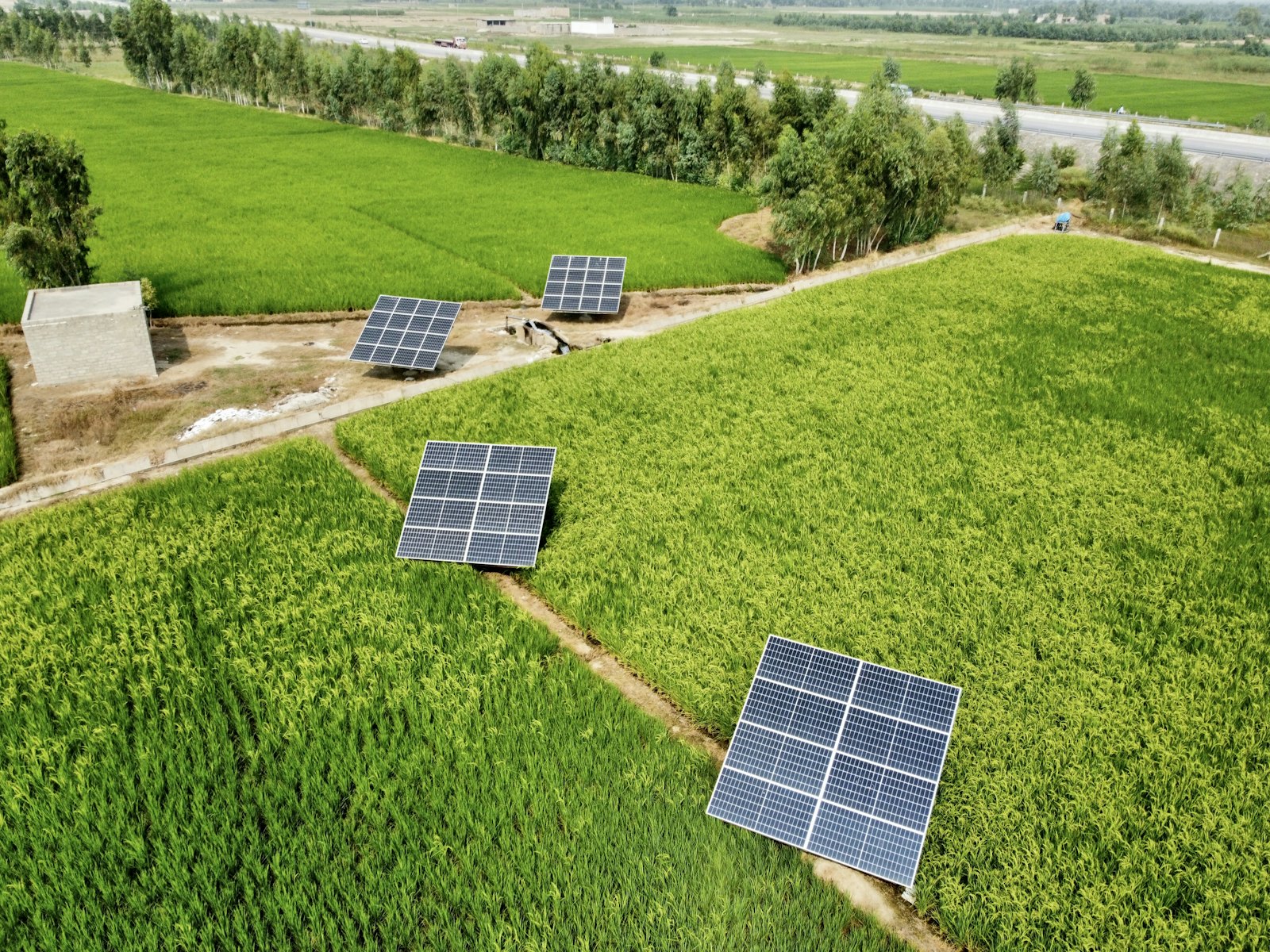
REAP eligibility hinges on two applicant categories, and most rejected applicants fail on the location test rather than the project itself. The first category is agricultural producers, defined as entities with at least 50 percent of gross income from agricultural operations; producers can be eligible whether or not they are in a rural area. The second category is small businesses, which must be located in an eligible rural area, defined as an area outside a city or town with a population over 50,000. Use the USDA Rural Development eligibility map to confirm your address before investing time in an application. Federal opportunity details and the official application package are also posted at Grants.gov under the REAP listing.
How do you apply for a REAP grant?
Applying for a REAP grant is a coordinator-led process where your state energy coordinator is the most useful contact, more than grants.gov, because they confirm eligibility, the current cost-share, and when applications reopen. Here is the path to be ready when REAP grants reopen.
- Confirm eligibility. Verify rural-area status (small businesses) or agricultural-producer status using the USDA Rural Development eligibility map.
- Contact your state energy coordinator. Ask when REAP applications (grants and guaranteed loans) will reopen under the revised rule.
- Get an energy assessment. Energy-efficiency projects require an audit or assessment sized to the project; renewable systems require a technical report.
- Register in SAM.gov. Obtain a Unique Entity ID before submission.
- Assemble the package. Complete REAP forms, environmental review documentation, and a commitment for the matching funds REAP will not cover.
- Submit to USDA Rural Development. Grant applications are paused until USDA publishes its revised REAP regulation; prepare now and submit when the new notice opens.
Check whether your address counts as rural
REAP grants are paused until USDA publishes its revised rule, but the location test will still apply. USDA's eligibility map shows whether your business address qualifies as rural for Rural Development programs.
Open USDA's eligibility map →Who should apply, and who should wait?
Three common applicant profiles, each with the right move.
An agricultural producer with a quoted renewable-energy project and the ability to fund the matching share.
A small business in an eligible rural town replacing HVAC, lighting, or refrigeration.
A company near the 50,000-population threshold unsure whether the address is rural-eligible.
Why do REAP applications get rejected?
USDA Rural Development sees the same avoidable issues every cycle. Each is fixable before submission.
Small businesses outside the rural definition are ineligible regardless of project quality, and applicants discover this only after building the package.
Budgeting a project around 50 percent when the applicable share is 25 percent leaves the applicant unable to fund the match mid-process.
Energy-efficiency projects require an energy assessment or audit (EA) matched to project size; the wrong level of assessment is a common scoring deduction.
REAP requires the applicant to fund the share the grant does not cover; an application without a credible match commitment scores poorly.
REAP grant applications are paused in 2026 while USDA rewrites the rule, so dates from the rescinded notice no longer apply.
REAP-funded equipment carries its own tax treatment: depreciation schedules, the interaction between the grant and the clean-energy investment credit basis, and how grant income is reported all matter for the project's real economics. Our colleagues at CeoCult cover deductions and depreciation for small operators investing in equipment.
Frequently asked questions
How much is a USDA REAP grant in 2026?
What percentage does REAP cover?
Who is eligible for a USDA REAP grant?
What does REAP fund?
When is the REAP application deadline in 2026?
Bottom line
REAP grants are paused until USDA publishes a revised regulation, so the practical move in 2026 is to get ready: under the rescinded notice they paid up to $1M for renewable energy or $500K for efficiency, and the rescission paused guaranteed-loan applications too. The two things that decide whether you win are confirming your location is eligible and confirming the current cost-share before you size your match, because the 25-versus-50 percent question doubles what you must bring. Start at the USDA Rural Development eligibility map, call your state energy coordinator, and get the right energy assessment before assembling the package. For the broader USDA picture, see our USDA rural business grants guide and USDA agriculture grants guide, and for non-USDA clean-energy money, our DOE small business grants guide. Check your address on USDA's Rural Development eligibility map first.
- USDA Rural Development, REAP Renewable Energy Systems & Energy Efficiency Improvement Grants ($1M and $500K caps, eligibility) verified 2026-05-29.
- USDA Rural Development, REAP under the Inflation Reduction Act (elevated cost-share funding pool).
- Federal Register, REAP Notice of Funding Opportunity FY2025-2027 (rescinded April 15, 2026).
- Federal Register 2026-07332, Notice of rescission of the REAP funding opportunity (April 15, 2026).
- USDA Rural Development, REAP Technical Assistance Grant Program (intermediary technical-assistance track).
- Grants.gov, REAP opportunity listing (application package reference).